


World food prices continued rising in December 2019 to highest since 2014
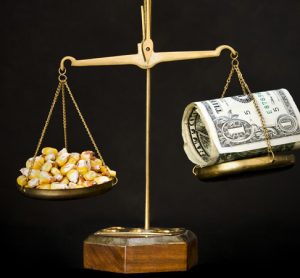
The Food and Agricultural Organization of the United Nations (FAO) Food Price Index hits its highest level in five years amid strong biofuel demand for palm oil and sugarcane.
List view / Grid view
The Food and Agricultural Organization of the United Nations (FAO) Food Price Index hits its highest level in five years amid strong biofuel demand for palm oil and sugarcane.
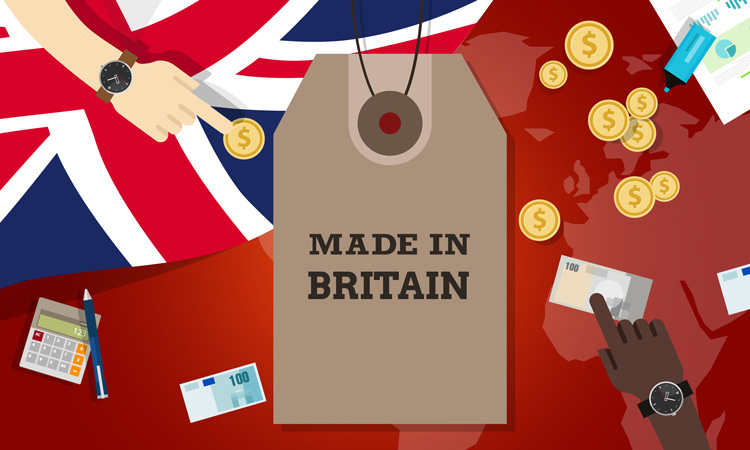
According to the report by Make UK and Santander, the food and drink sector is worth 15.9 percent of total manufacturing GVA with sales in 2018 of £85.6 billion, an increase of 7.6 percent since 2016.
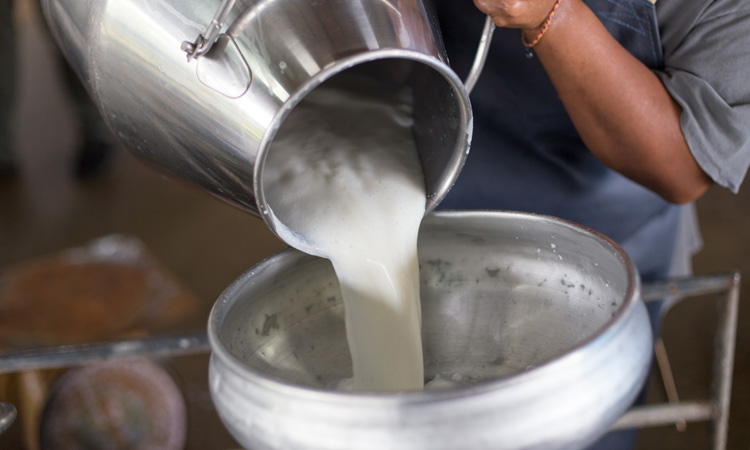
Rising costs of raw milk and new market challenges are said to be amongst the reasons for the company's reorganisation.
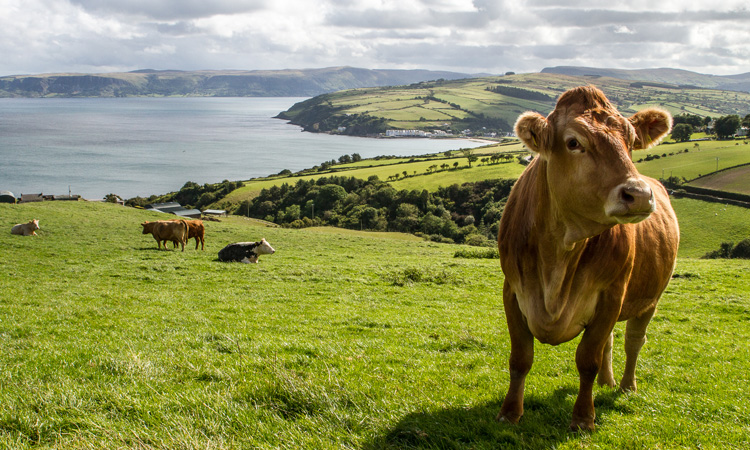
The funding, designed to provide support for the Northern Irish agricultural sector during the Brexit transition, was confirmed by Chancellor Sajid Javid and is part of an overall £2.8 billion package.
The report shows that all of the UK's highest value exported products have grown, with whisky, salmon, wine, gin and pork increasing by over 10 percent on the same period last year.
The $4 billion transaction is expected to close in the first quarter of 2020, following the completion of customary regulatory approvals.
World food prices rose significantly in November 2019, reaching their highest point in more than two years, driven by jumps in the international prices of meat products and vegetable oils, according to the Food and Agriculture Organization of the United Nations (FAO).
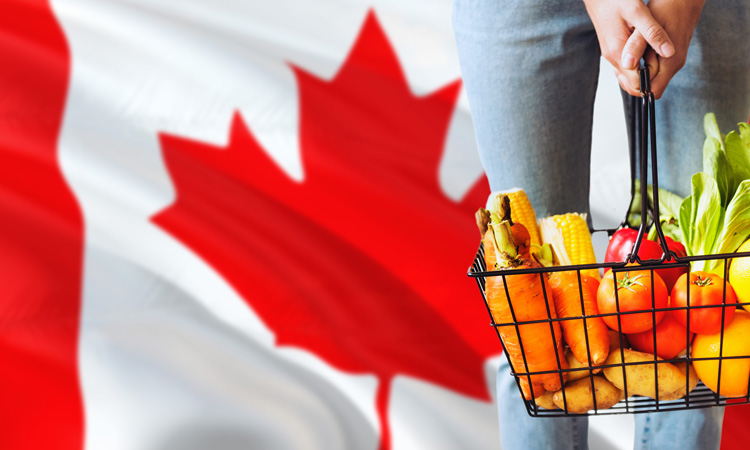
Predictions in the report by Dalhousie University and the University of Guelph are allegedly made using historical data sources, machine learning algorithms and predictive analytics tools.
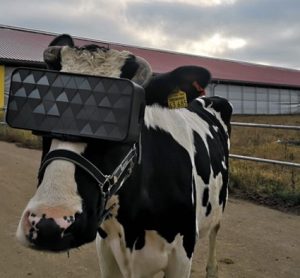
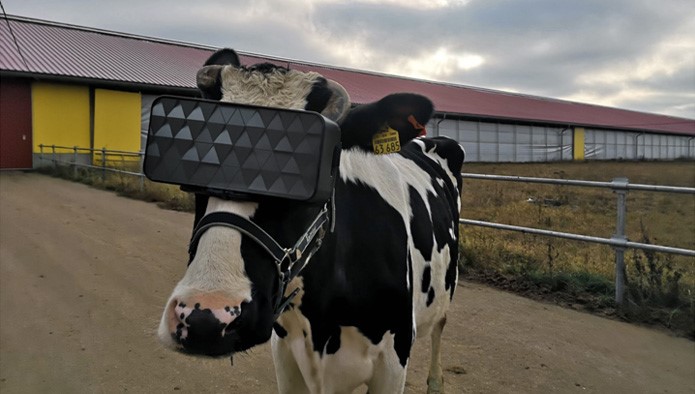
Employees of one of the largest farms in the Moscow Region, together with IT experts, have reportedly conducted an experiment, having studied the effect of VR, and developed a prototype VR headset for cows with the aim to improve emotional state and increase milk production as a result.
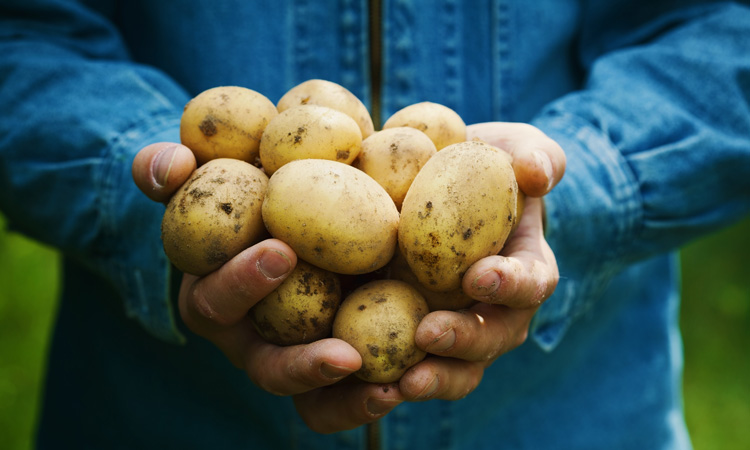
A cold and wet autumn has negatively impacted crop yields among potato farmers in North America, and concerns amongst processors are growing. Dr. Sylvain Charlebois, from Dalhousie University, explores the potential consequences and how the shrinkflation of fries and chips is a possibility.
The Japanese bank, Nomura, reportedly said that the 50 most vulnerable countries in its Food Vulnerability Index make up 26.1 percent of global GDP, but 59.1 percent of the world.
The EU must act swiftly to help EU farmers unduly affected by newly imposed US tariffs worth €6.8 billion, said the European Parliament.
Substantial savings in food fraud will reportedly be realised from 2021 and compliance costs will be reduced by 30 percent by 2024, according to data from Juniper Research.
Rabobank, a Dutch cooperative bank, has published its annual global animal protein outlook for 2020, with key factors including African swine fever and trade opportunities.
The FoodDrinkEurope report covers data, statistics, trends and facts from the whole EU28 food and beverage industry, which is identified by the NACE rev2 codes C10 (food and products) and C11 (beverages).